September 19, 2025
Designing an inground pool requires careful consideration for it to blend seamlessly with your backyard while satisfying your desires. According to RubyHome, in the U.S. there are over ten million swimming pools, which shows just how popular these backyard retreats have become. With the multitude of shapes, materials, and features available, each potential decision can significantly impact the overall appeal and functionality of your outdoor space. Understanding the fundamental elements of pool design will equip you with the knowledge to make the best choices for your backyard oasis.
1. Assessing Your Backyard Space
The first step in planning your pool is to take full stock of the space you have available. Measuring the dimensions of your backyard accurately is crucial to avoid overcrowding and ensure there is room for additional amenities or landscaping. This assessment will also help inform the shape and size of your pool, making it easier to integrate it into your existing space. Misjudging space can lead to unforeseen complications, such as inadequate walking areas or obstruction of natural views. By understanding your backyard's limits, you'll be better positioned to create a harmonious and practical design.
Considering how sunlight and shade affect your backyard is vital for maximizing the use and enjoyment of your pool. Ideally, your pool should receive ample sunlight throughout the day, which assists in naturally warming the water and minimizes artificial pool heating costs. The placement must also consider nearby structures or trees that could naturally shade the area during various parts of the day. Conversely, too much exposure to the sun can increase evaporation rates and the frequency of necessary pool maintenance. Balancing sunlight and shade contributes to a comfortable swimming environment while promoting energy efficiency.
The type of soil and ground conditions can significantly impact both the construction and long-term stability of your inground pool. Understanding your backyard's geotechnical properties dictates the structural requirements, such as reinforcement needs and appropriate pool shell materials. Poor soil conditions can incur additional costs or require specialized solutions to prevent shifting or settling that could cause structural damage over time. Additionally, analyzing groundwater levels and drainage patterns is essential for maintaining the pool's integrity and mitigating potential issues like erosion or waterlogging. Adequate preparation helps assure the longevity and safety of your pool structure.
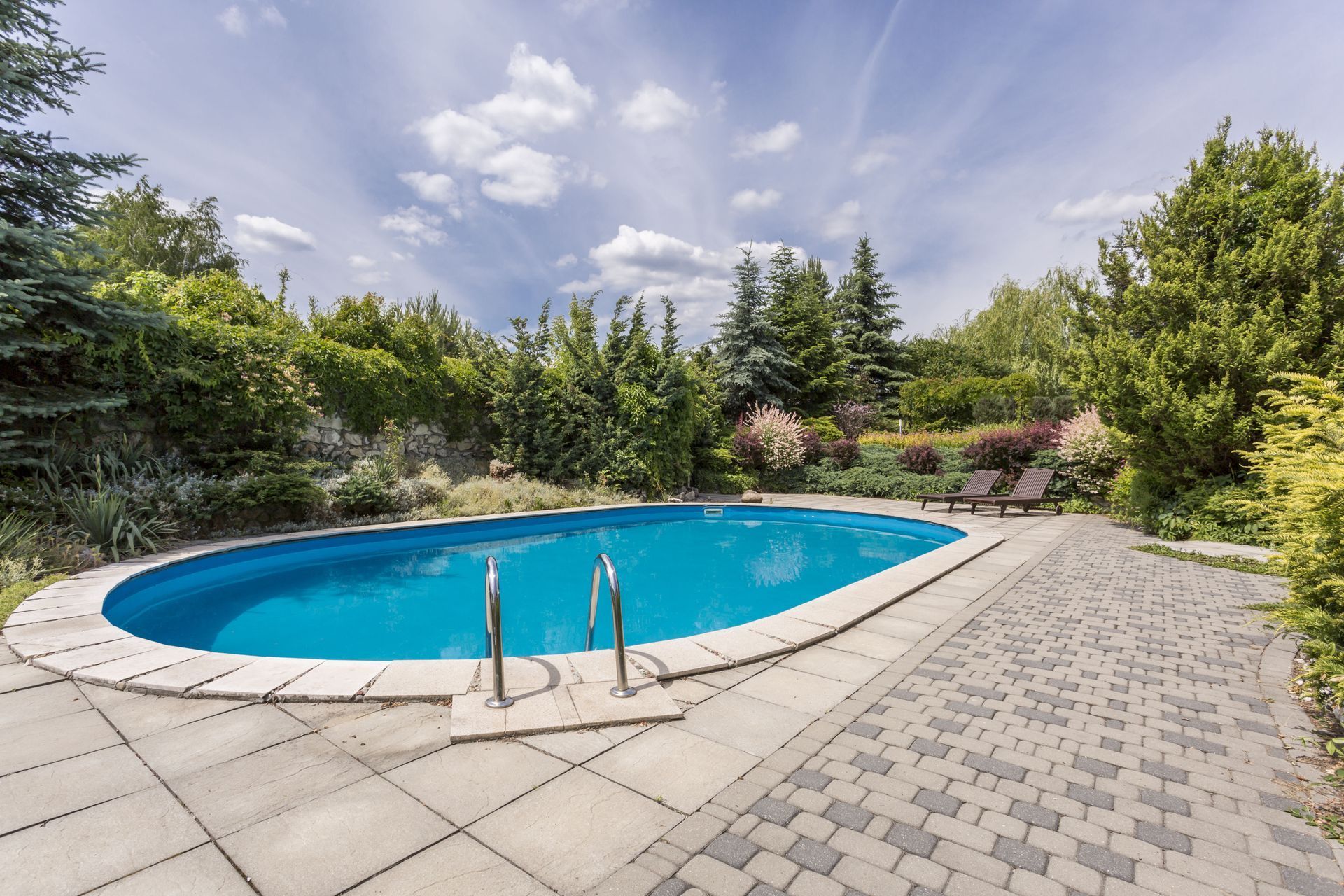
Incorporating existing landscaping features into your pool design ensures a smooth transition between your pool area and surrounding natural elements. Mature trees, plants, and garden structures should be considered when deciding on the location and orientation of the pool to maintain cohesion and visual appeal. These elements can enhance the aesthetic effect of your pool, offering natural beauty, privacy, and potential shade. Resisting the temptation to remove too many pre-existing features can save time, preserve the ecosystem, and potentially lower landscaping costs post-construction. The aim is to enhance the aesthetics and functionality with minimal disruption to your established landscape.
2. Exploring Different Pool Design Styles
Modern pool designs focus on clean lines, minimalist aesthetics, and innovative materials that create an elegant and sleek appearance. These designs often integrate the latest technology and architectural principles, emphasizing open spaces and fluidity with the surrounding environment. A quintessential feature is the use of materials like concrete, glass, and steel, which lend a sophisticated and trendy look to any backyard. Many modern pools also capitalize on sustainability and energy efficiency, incorporating features such as solar heating and LED lighting. The result is a luxurious yet functional design that complements modern homes and lifestyles beautifully.
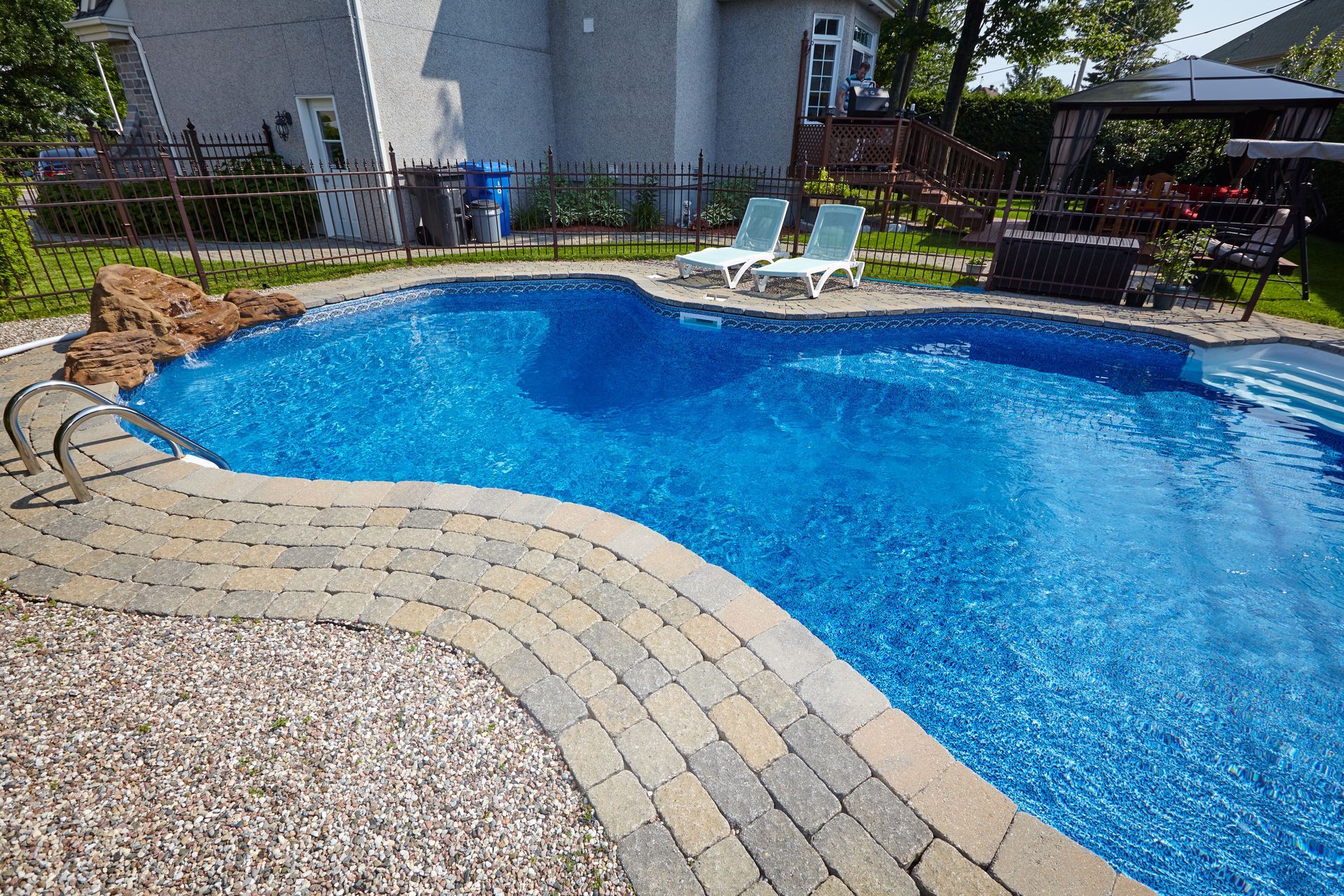
Traditional pool designs embrace time-honored shapes like rectangles and kidneys, which evoke a sense of timelessness and elegance. These designs often incorporate classic materials such as natural stone and tiles that convey a sense of high craftsmanship and quality. Elements like Roman steps, mosaic inlays, and intricate water features can add to the pool's classic charm. Traditional styles often harmonize with a variety of architectural themes, providing a versatile design choice for many homeowners. Although not as cutting-edge as contemporary designs, their enduring appeal ensures they remain a popular option among pool enthusiasts.
Natural pool designs prioritize ecological balance and sustainability, emphasizing the integration of the pool into its natural surroundings. They often replace traditional chemicals with bio-filtration and plant-based systems to maintain water clarity and quality. These pools may feature irregular shapes with rocks, waterfalls, and native plants, creating a pond-like appearance that embraces organic aesthetics. Such designs are appealing for homeowners interested in reducing their environmental impact while enjoying a refreshing and unique swim experience. By embracing eco-friendly options, natural designs contribute to a greener backyard and a healthier environment.
Infinity edge pools, also known as vanishing edge pools, create a dramatic visual effect where the water appears to extend infinitely. This style is often implemented on properties with stunning views, such as a hillside or waterfront, as it creates a seamless transition between the pool and the landscape. The illusion is achieved by slightly lowering one edge of the pool so water trickles over it into a catch basin before being recirculated. Despite the elaborate design, infinity pools are not just reserved for luxury homeowners; they can be adaptable for various budgets with creative engineering solutions.
3. Determining Pool Functionality and Features
When designing your pool, reflecting on its intended use will guide many crucial decisions. Whether you aim for casual swimming, exercise, entertaining guests, or family fun, each purpose dictates different size, shape, and feature requirements. For example, a lap pool necessitates a long, narrow design, while a pool intended for parties may incorporate wide steps or a resort-style deck. Multi-functional pools can integrate features that cater to a variety of activities but require thoughtful planning to balance different needs. Understanding your primary uses will help you prioritize specific elements that enhance your pool's functionality and enjoyment.
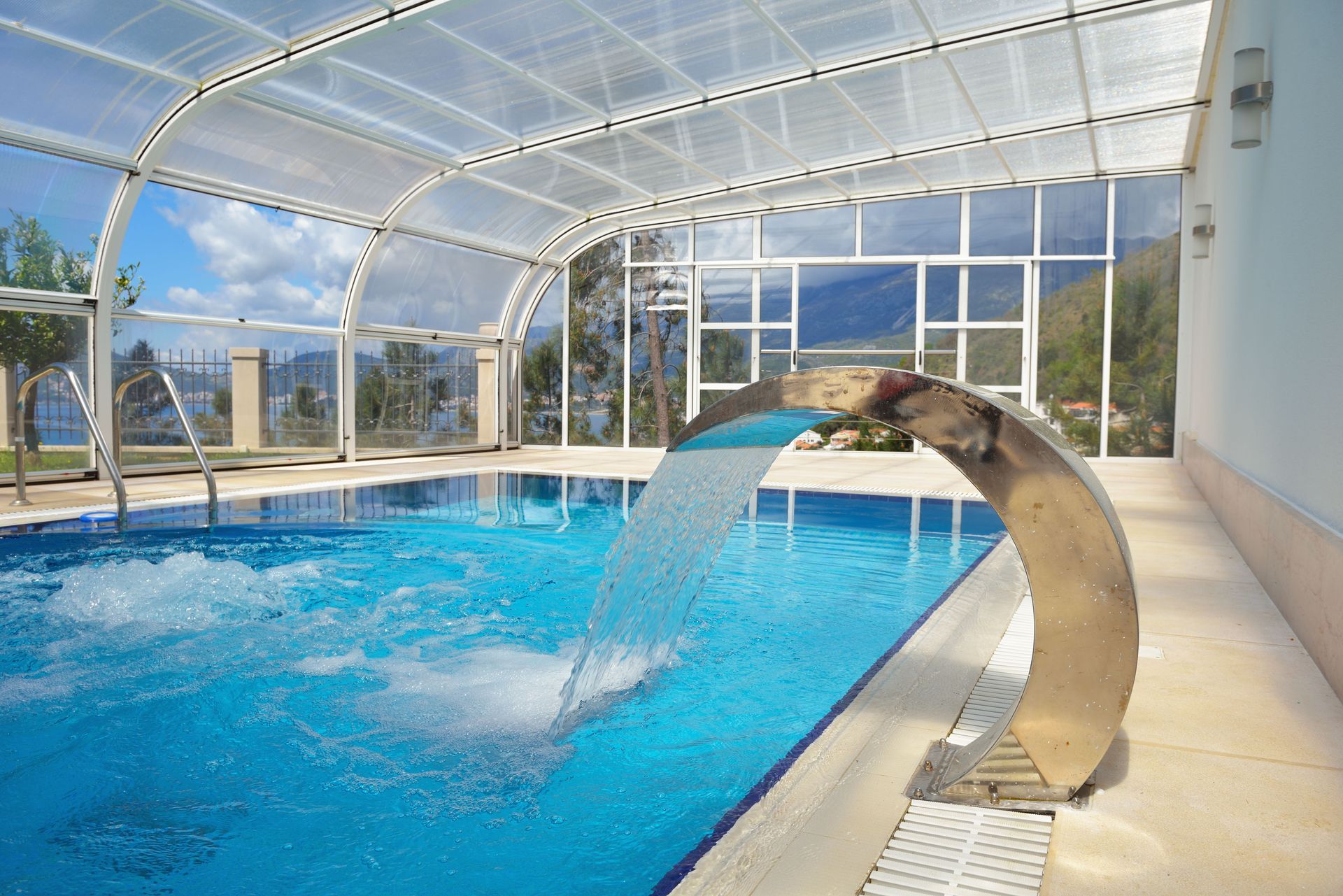
Water features like fountains, waterfalls, and jets serve as dynamic additions that enrich the sensory experience of pool environments. These features can create relaxing soundscapes and introduce aesthetic appeal through movement and reflections. Moreover, they assist in circulating water, potentially supporting filtration systems that maintain water clarity and quality. However, the addition of such features should be carefully balanced with considerations of budgetary constraints and ongoing maintenance requirements. Incorporating water features can transform the ambiance of the pool space, making it an engaging and luxurious retreat.
Incorporating effective heating and lighting systems can significantly extend the usability of your pool and create a welcoming atmosphere after dark. Multiple heating sources are available, including electric, gas, and solar options, each with different operational costs and environmental impacts. Lighting can range from in-pool LED systems to well-placed landscape lighting that highlights features and pathways, combining safety with aesthetic appeal. The advancement in energy-efficient technologies allows for stylish illumination while managing energy use wisely.
Designing an inground pool is an exciting opportunity to transform your backyard into a personalized retreat. By thoughtfully considering the space, choosing a style that reflects your taste, and selecting features that enhance both functionality and ambiance, you can create a pool that feels like a natural extension of your home. Whether you envision a sleek modern design, a timeless classic look, or an eco-friendly natural escape, the right planning ensures your pool will provide beauty, comfort, and enjoyment for years to come. With careful attention to detail, your backyard oasis can become the perfect setting for relaxation, recreation, and memorable gatherings. For an
inground pool service
you can count on, contact DRS Pools & Spa today.